Understand the movement
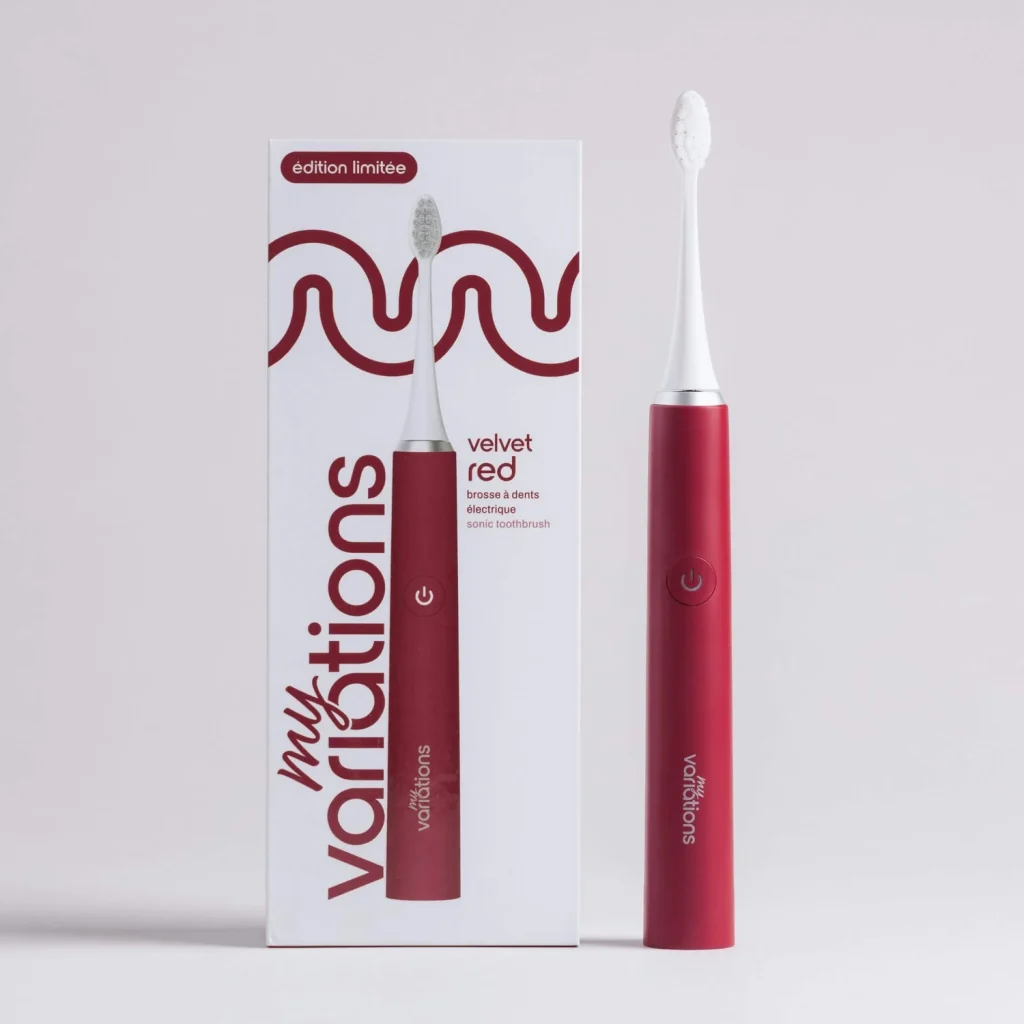
The adult brush uses sonic movement. Its official FAQ describes vertical sweeping micro-movements, with 31,000–40,000 movements per minute depending on the selected mode. That range describes this adult model; it is not a figure to apply to every brush in the household. You do not need to count or match those movements. For a first session, the useful task is learning how to guide a powered head while it is already moving.
Give each tooth a turn
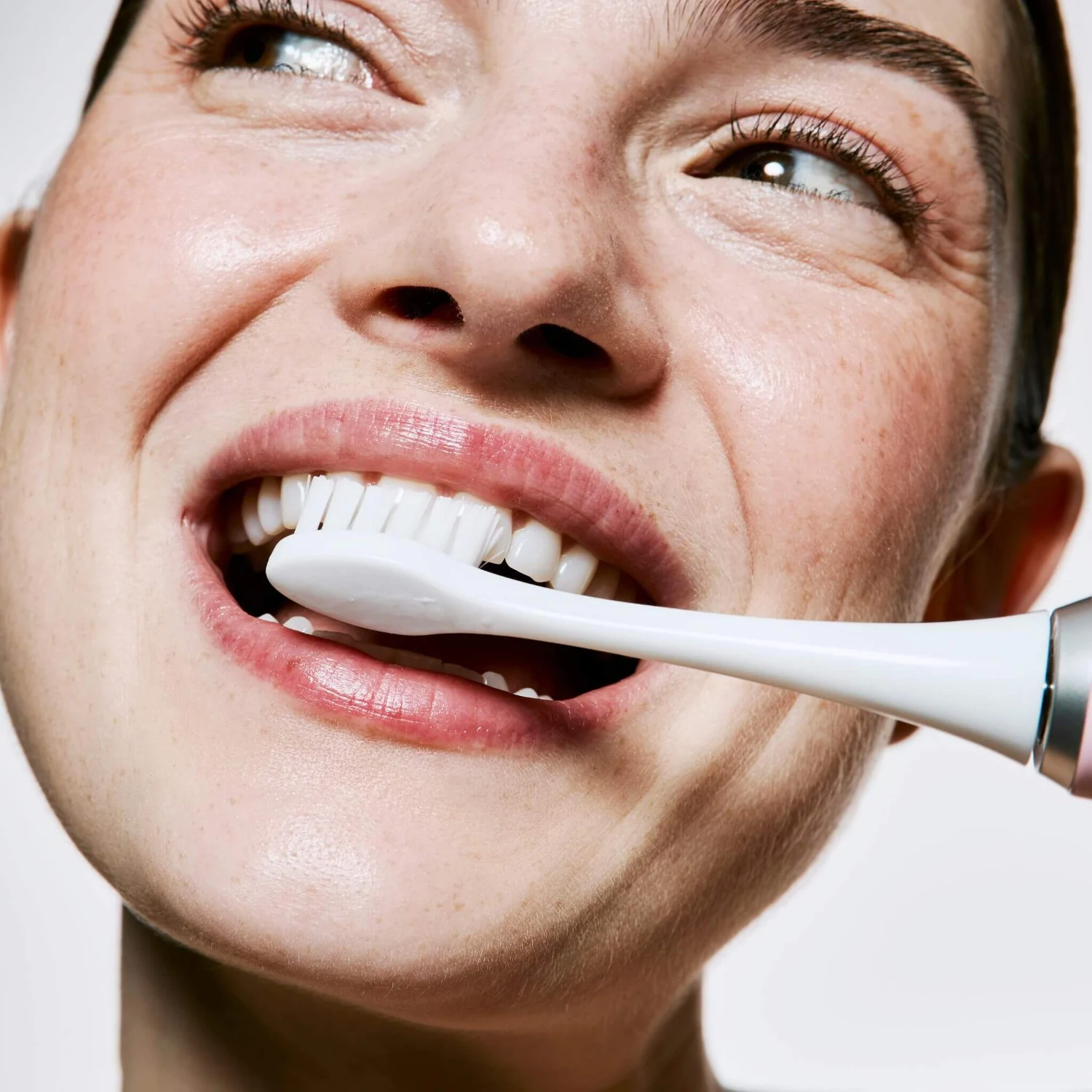
describes moving its sonic brush from one tooth to the next. Turn that short instruction into a route you can follow without rushing: choose a starting point, move along the row and deliberately return to the surfaces you have not yet visited. This route is our editorial planning suggestion, rather than an additional manufacturer setting. The aim is to make your movements easy to remember, especially while the sensation is still unfamiliar.
Separate sound from technique
The sound and feeling of a powered brush may take your attention away from where the head is going. Before beginning, decide which part of your mouth you will visit first and which comes next. During the session, bring your attention back to the position of the head rather than trying to judge the session by its sound. A stronger or louder sensation is not, by itself, evidence of a better result, and the published movement count is not a personal cleaning score.
Keep mechanisms distinct
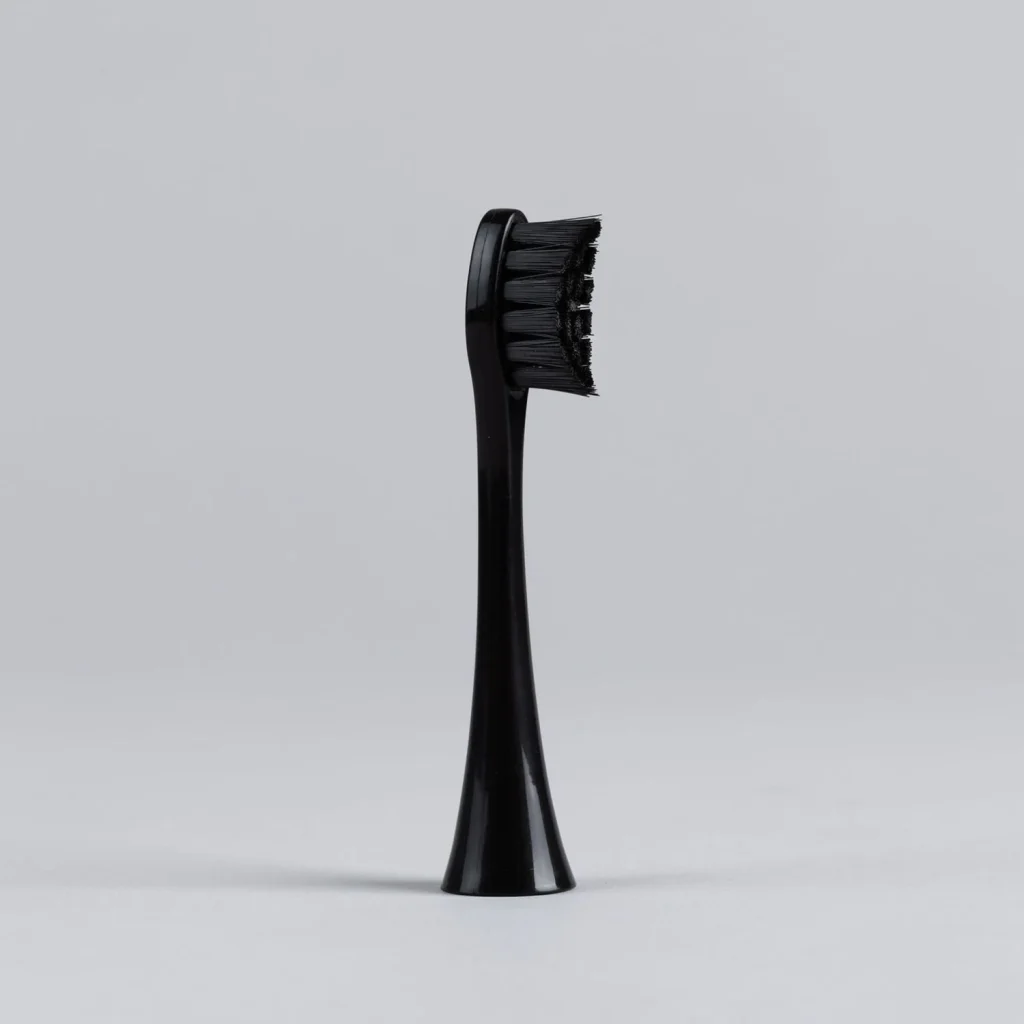
Sonic and oscillating-rotating brushes use different mechanisms; the official FAQ makes that distinction explicitly. A familiar round-headed brush is therefore not a complete guide to how this sonic model works. Read the instructions for the handle and head you actually own, including how to fit the head and choose a mode. When comparing products, keep the mechanism, the model and your practical requirements in separate columns instead of treating the word electric as a single specification.
Make the first session simple
As an editorial approach, leave extra time for the first use and remove small distractions before you start. Put the instructions where you can read them, identify the control and choose a route before switching on. If something about the fit or operation is unclear, stop to check the matching instructions rather than experimenting during brushing. A repeatable sequence is more useful to a beginner than trying several settings and changing the route in the same session.
Know what this guide can tell you
This is an introduction to using a particular type of brush, not a treatment plan or a comparison of clinical outcomes. The official frequency and movement descriptions explain the adult product's operation; they do not establish that every person will get the same result. If brushing is painful, or pain or bleeding persists, seek advice from a dental professional. Questions about a loose head or an unresponsive handle belong with the product instructions and manufacturer support.
← Back to the journal