Read the rinse-and-dry instruction in context
In its explanation of using the UV accessory, the official FAQ says to rinse the brush head after brushing and dry it before placing it in that device. Keep the context attached to the instruction: it describes preparation for the accessory, not a complete independent cleaning protocol for every head or storage method. If you use an accessory, read its matching instructions as well as the brush guidance. This article makes no claim about UV effectiveness or results.
Do not confuse a tidy head with sterilisation
Rinsing and drying are described actions; the appearance of a tidy head is not proof that it has been sterilised or that all bacteria have been removed. Avoid using those words interchangeably when explaining the routine to another person. As an editorial habit, describe what you actually did rather than assigning an unverified result to it. That keeps a simple finishing task understandable and prevents an ordinary household step from becoming a promise about hygiene that the evidence here cannot support.
Leave essential oils out of the experiment
The official FAQ cautions against applying essential oils directly to the toothbrush. Follow that instruction instead of adding an oil because its scent feels associated with freshness. This is a specific manufacturer caution, not an invitation to choose another unverified chemical treatment. When a proposed care tip depends on applying a substance to the head or handle, look for an explicit instruction for that model and use manufacturer support if the instructions do not answer the question.
Keep personal heads easy to identify
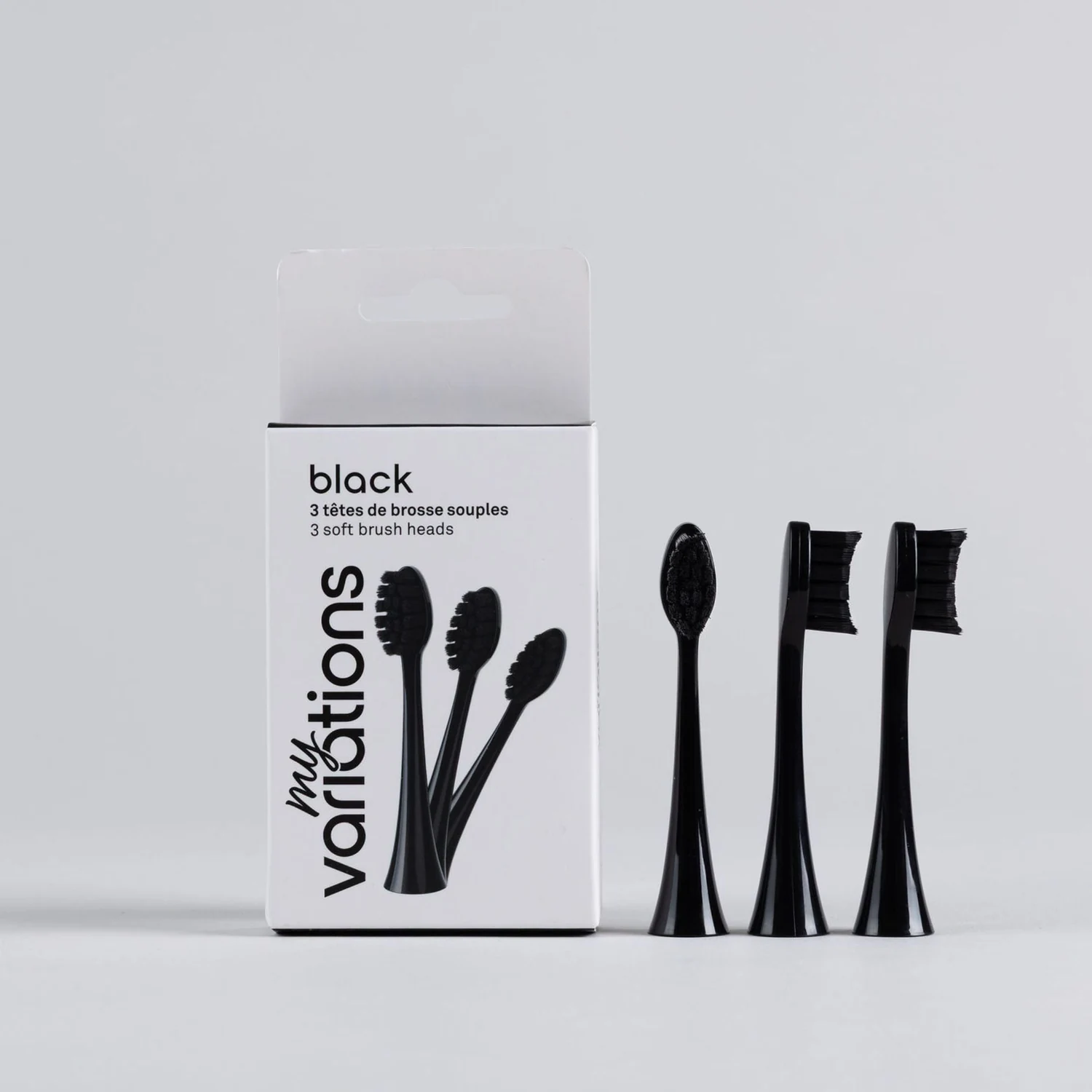
As an editorial organisation suggestion, make sure each person can identify their own head and its matching handle before and after the session. Do not share a brush head. Keep the product reference with the refill pack so a later replacement can be checked accurately. This practical system concerns ownership and model matching; it does not establish a cleaning effect. If several brushes use similar-looking parts, an intentional identification system is more useful than expecting everyone to remember which one was moved.
Check the source before adding a method
A care suggestion found for another appliance does not automatically apply to this brush head. The verified material here does not establish instructions for boiling, bleach, alcohol, a dishwasher or a soaking routine. Before adding a new method, locate current guidance for the actual product rather than filling a gap with a familiar household technique. If the head or its fitting seems damaged or behaves differently, describe the issue to manufacturer support instead of trying an improvised treatment.
Make the finishing sequence repeatable
Keep the relevant instructions accessible and decide how to remember the final care steps without relying on a different bathroom or travel case to prompt you. That is editorial routine planning, and it should remain subordinate to the matching product guidance. A repeatable finish is useful because it is easier to recall, not because it guarantees a particular health outcome. For pain or persistent bleeding during brushing, seek professional dental advice; altering head care is not a treatment plan.
← Back to the journal