
Read the adult mode list first
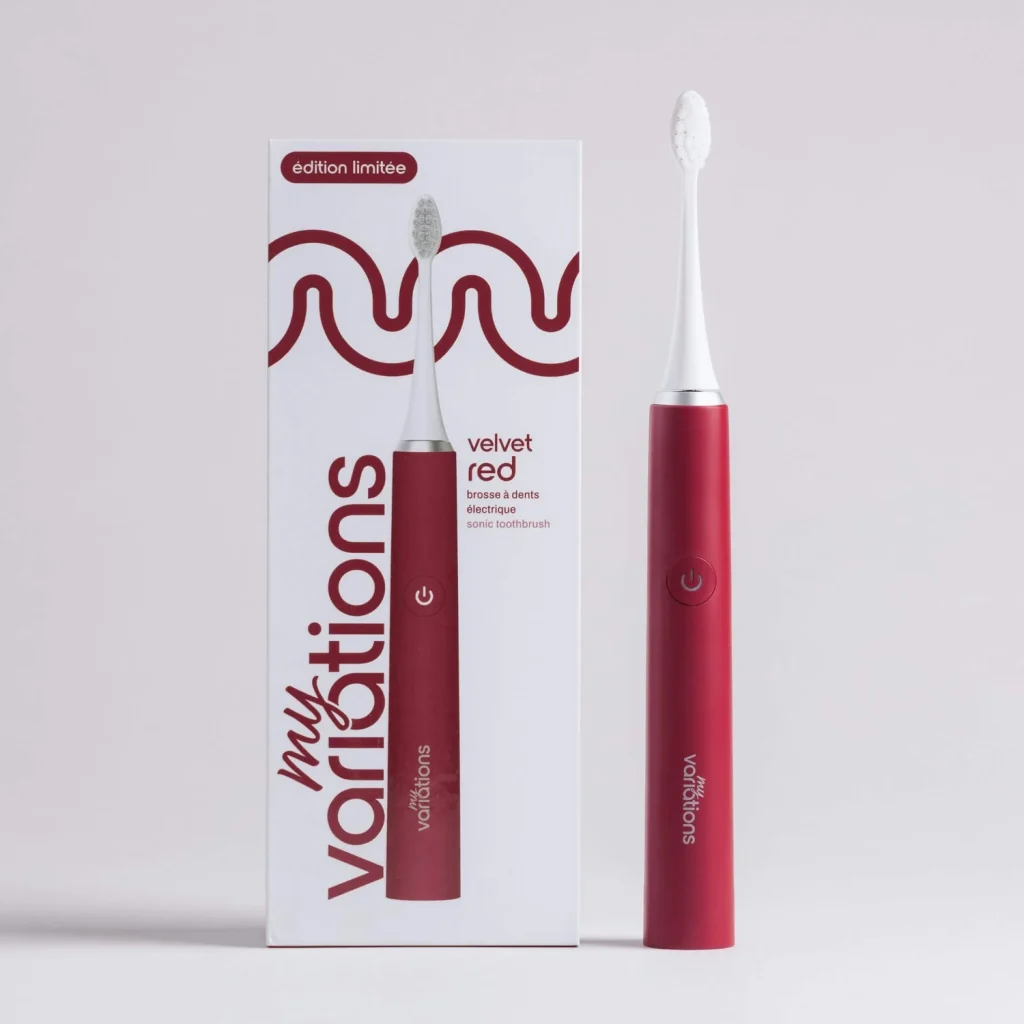
The adult sonic brush offers five modes: White, Clean, Sensible, Polish and Massage. These are the names used in the official FAQ, and retaining them makes it easier to match a description to your control. They belong to the adult brush; Kids has its own two-mode setup. Before comparing sensations or making a household guide, identify which handle is being discussed. A mode list copied from a different model can make a simple choice unnecessarily confusing.
Use Clean as a reference point
The manufacturer describes Clean as its classic everyday setting with medium intensity. That gives you a concrete reference when reading the other adult descriptions. As an editorial approach, choose one setting for a normal session and learn how to recognise it on the handle. Keeping a familiar reference is useful if you later want to compare a change. The fact that a mode is described for everyday use does not establish a result for an individual mouth or replace professional brushing advice.
Know why Sensible feels different
The official FAQ describes Sensible as slightly less powerful, with a smaller vibration movement, and recommends it as the starting mode for a new adult-brush user. If you are getting used to the brush, that is a clearer reason to choose it than guessing from the mode's name. Keep its role in perspective: it is a setting with a described movement and intensity. It is not a treatment for sensitivity or bleeding, and comfort alone cannot tell you whether a dental problem needs attention.
Treat White and Polish as labels
White and Polish are official mode names. Their names alone are not evidence that choosing them will whiten teeth or deliver a particular cosmetic outcome. The FAQ describes Polish and Massage as additional or occasional modes, rather than presenting them as settings everyone must cycle through in every session. When planning a routine, you can therefore focus first on understanding your everyday choice. Read any broader product claim separately and do not turn a label into a personal promise.
Compare one practical difference
If you want to try another mode, make the comparison deliberate: identify the current setting, read the alternative's description and keep the rest of your routine familiar. Afterwards, consider which control or sensation you understood better. This is an editorial method for learning the product, not a trial that measures whitening, plaque removal or gum health. Avoid treating all five modes as a checklist that has to be completed. More changes can make it harder to remember what you selected and why.
Keep a useful everyday note
A short note with the model and preferred setting can help if several people in the household use different handles. Record the actual name instead of a vague phrase such as the strong one, and consult the current instructions when the indicator is unclear. Product support can answer operating questions; a dental professional can advise on persistent pain or bleeding. Choosing a mode should make the routine easier to follow, while keeping manufacturer descriptions separate from treatment or outcome claims.
← Back to the journal